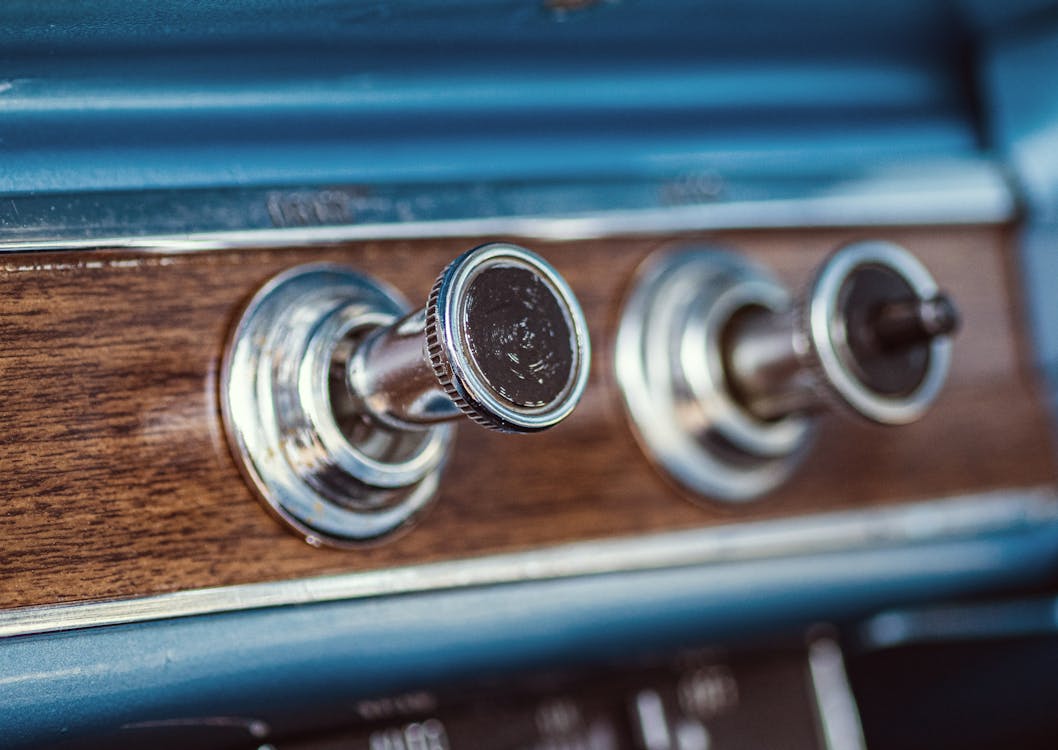
For the past decade, automobile insides have been rapidly advancing toward sleek, screen-dominated control board. Touchscreens replaced standard knobs, sliders, and switches in what many presumed was the unavoidable march of progression. Yet, in an unforeseen spin, physical buttons are quietly making their back into contemporary vehicles. The shift signals greater than just a sentimental nod-- it's a feedback to real-world comments from vehicle drivers desire simplicity, security, and responsive satisfaction.
The Digital Overload Dilemma
When touchscreens first started taking control of dashboards, they felt like the future: clean, adjustable, and filled with features. They eliminated clutter and allowed automakers to enhance their insides with less physical parts. But as more features were buried within digital menus, chauffeurs began to voice problems.
Touchscreens often require multiple steps to perform basic jobs like readjusting the environment or transforming the radio terminal. Unlike switches, they lack the intuitive muscle memory that allows a chauffeur to change a setting without taking their eyes off the roadway. With a lot occurring on-screen, it ends up being all too easy to obtain distracted-- something no one wants when taking a trip at highway rates.
The Return of Tactile Functionality
One of the most significant benefits of switches is their tactile feedback. You can feel them without requiring to look. This sensory reinforcement makes them not simply practical however safer for vehicle drivers. When your hand naturally knows where the quantity knob is or just how much to push a switch to activate the defrost, it lowers the requirement to glance down or far from the road. And while touchscreens supply benefit for infomercial and navigating, the crucial daily features-- like hazard lights, audio controls, and HVAC-- really feel far better suited to physical controls.
Actually, lots of vehicle drivers who previously spoke highly of digital systems have revealed admiration for more recent versions that blend modern aesthetics with the useful feeling of standard controls. It's not concerning declining technology-- it's regarding improving usability.
A Balanced Design Philosophy
Developers have taken notice of this shifting view. Rather than deserting displays, they're rethinking just how they're integrated. The very best interiors currently strike a balance between digital flexibility and analog precision. That indicates purposefully positioning switches for essential functions while using electronic user interfaces for applications, navigating, and media.
This hybrid strategy is specifically preferred in lorries made for long-distance driving or family members. The convenience of pressing a button without stumbling through a food selection makes a large distinction when you're trying to visit here stay concentrated, comfy, and secure. Also in cars known for cutting-edge technology, a straightforward rotating dial or tactile control can be the attribute that gains motorists searching for thoughtful design.
Buttons and the Emotional Connection
There's additionally something distinctively emotional concerning buttons. They bring a particular degree of engagement that touchscreens simply don't reproduce. Pressing a switch or turning a dial seems like you're physically connecting with your cars and truck-- it adds a layer of link that makes the driving experience much more enjoyable.
For those taking into consideration used Chevy cars, automobiles from recent years commonly offer the very best of both globes: receptive touch interfaces paired with traditional physical controls. These versions bridge the gap in between development and experience, making them excellent for chauffeurs who value modern-day attributes without sacrificing ease of use.
Technology Isn't Just About Screens
It's simple to conflate innovation with displays, however real advancement suggests boosting the driver experience. In this light, buttons are a form of smart design. They're fast, accurate, and do not require focus. As automotive design becomes increasingly driver-centric, convenience and intuition take spotlight.
This likewise ties directly right into the resale and trade-in worth of automobiles. Cars and trucks that focus on straightforward features tend to mature much better in the eyes of future purchasers. If you're considering a Chevrolet trade in, understanding that your current lorry provides an attentively created interior, total with easily available controls, can have a favorable effect.
The Future Is Functional
As car suppliers re-evaluate the role of user interfaces in the cabin, they're guided by motorist feedback and real-world functionality researches. The revival of switches does not signal a return to the past-- it's a progression in thoughtful, user-first design. It acknowledges that progression doesn't always indicate removing the old but integrating it in a manner that makes driving more secure, less complex, and much more satisfying.
If you're in the marketplace and discovering Chevy new car deals, keep an eye on exactly how different models manage their indoor controls. It's not nearly the touchscreen dimension-- it's concerning exactly how the automobile assists you stay focused on the roadway while making your day-to-day commute extra instinctive. Buttons may not be the flashiest function, but they're quickly turning into one of one of the most appreciated.
For more understandings into automobile trends, interior decoration advancements, and wise vehicle shopping pointers, make sure to check back frequently. We're always upgrading the blog with fresh concepts to assist you navigate the roadway ahead.